A land of glass and IR; building an over-built home network
I've spent decades working on high performance complex datacenter and service provider networks. It's only fair that my home network should be a bit out of the ordinary too, right? That said, my specifications are not quite like the folks you see on Reddit with 18U of stuff to run their 2-bedroom apartment... I have some specific wants/needs that my network needs to fulfill, and I've built for future improvement.
Requirements
I prefer a workspace and sleeping environment with no noise, not even white noise. So in my home, I want silent, low-power, but “fast enough” and capable gear. Fan noise I can notice is unacceptable, and power draw should stay at or below 100W to keep heat low and UPS runtimes high. Inside my home I’m focused on the essentials, which is running a reliable internet connection to my home office. 10GbE is plenty for now, but I do want the option to increase that in the future.
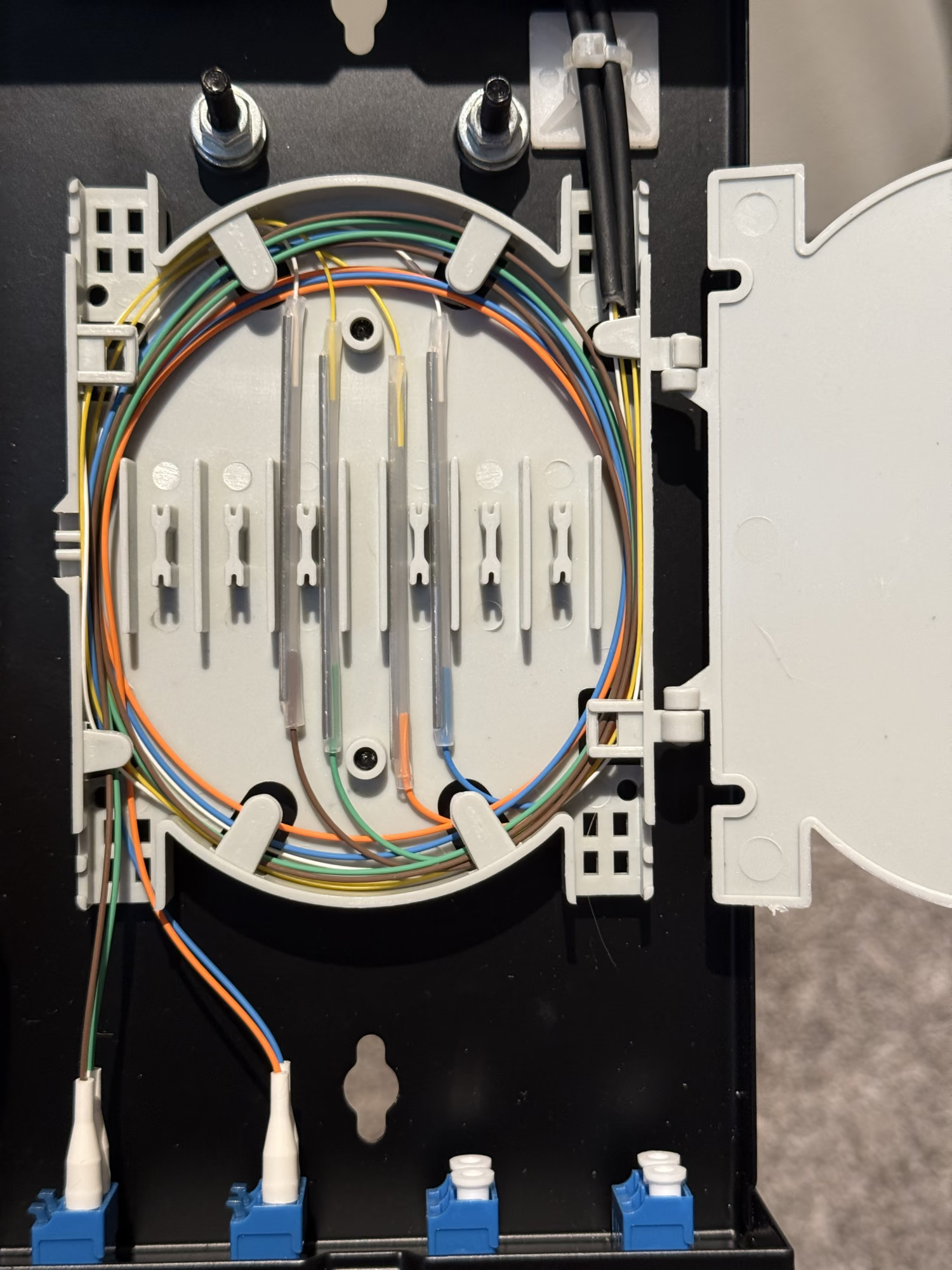
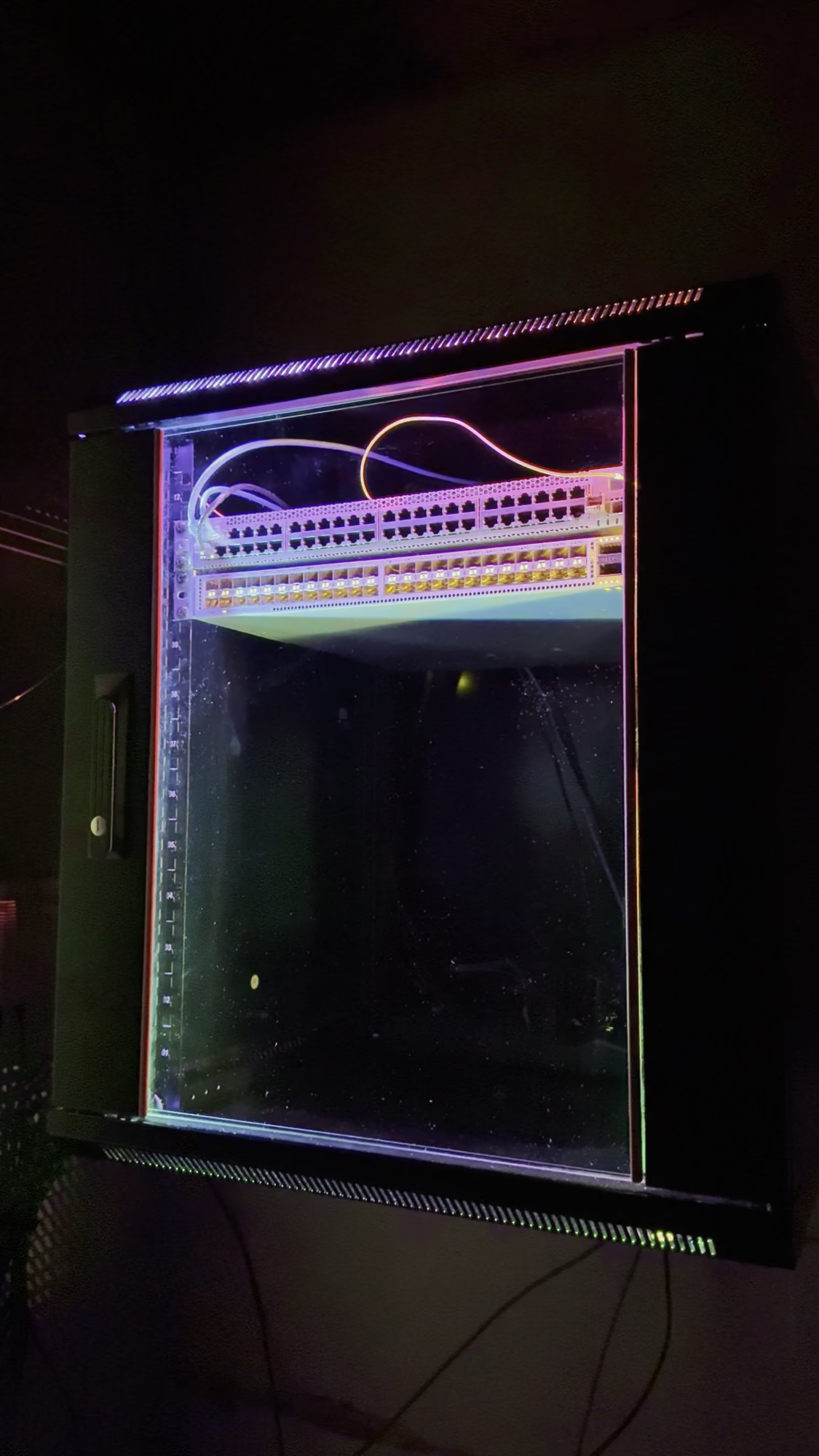
In my shop I don’t mind more space, a (little) noise, higher power draw, etc. For that reason, I put a 12U 24" wall-mounted rack in a corner of my shop with a fiber trunk back to the house.
The Setup
In my home
Routing: Mikrotik CCR1009-7G-1C-1S+PC as my home router
- “Why not a UniFi router?” Ubiquiti’s routing portfolio lacks some of the goofy stuff I want like VRFs for very tunable multi-WAN, MPLS, fq-codel, etc.
- Example: Send IoT device traffic through 500kbps $5/mo Starlink when my main WAN is flaky, but don’t let Windows/Apple background updates and telemetry consume that limited bandwidth.
Switching: Ubiquiti Pro XG 8 PoE running 10GBASE-T PoE to office walls and APs around the house.
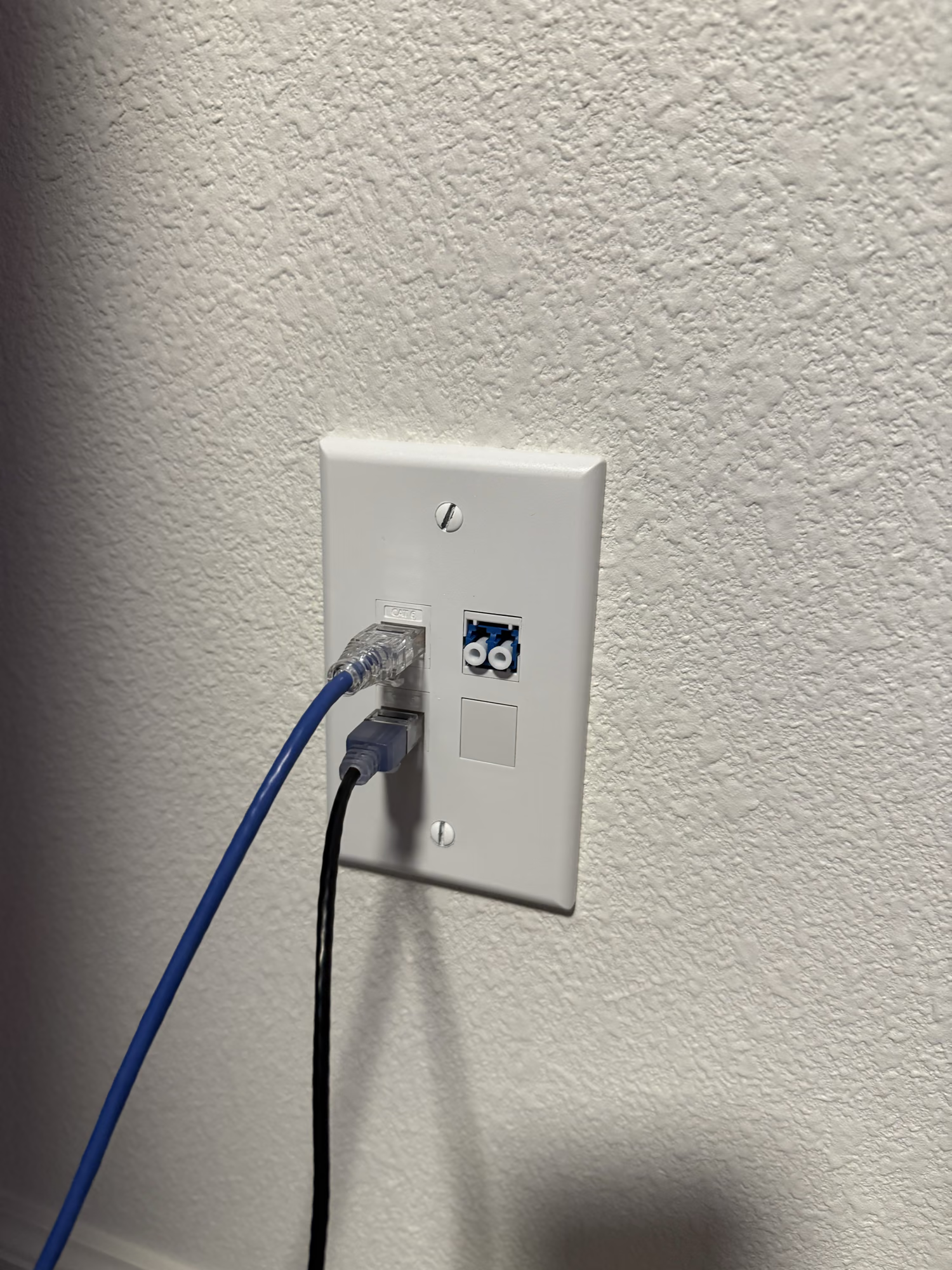
Structured cabling: Into my office, the west and east walls each have a pair of clean 10GbE-capable CAT6 drops and a duplex singlemode fiber drop. One wall has my main desk, the second has my electronics workbench / guest setup.
- “Why not CAT6A?” I have single mode fiber right there, and CAT6 is more than sufficient for 10GbE up to ~180ft by spec.
Wireless: UniFi U7 Pro XGS & U7 Pro XG pair (upstairs and downstairs), both fed with 10GbE
- ~1.2Gbps real-world at 160MHz in 6GHz to iPhones/MacBooks
- FCC TX limits mean 6GHz range is limited; requires density and line of sight
- MLO (once stable) may push this toward actually using >2.5GbE
Compute: Raspberry Pi 4 for Home Assistant (PoE hat) - low power, silent, and kept on UPS by nature of being plugged into my switch.
Rack / Extras
- Addressable RGB LEDs in the rack (mandatory, obviously)
- Thought they’d be goofy. They are. Still good.
Storage / NAS
NAS: Jonsbo N2 (5x 3.5") with Supermicro X10SDV-TLN4F
- IPMI for proper lights-out management
- 2x10GbE (10GBASE-T)
- Enough SATA for all bays
- Connected to Cisco via SFP+ → 10GBASE-T adapters (they run hot but work)
Considering:
- 40GbE card
- Small GPU for camera inference
- More NVMe
Shop / Yard
APs: Pair of UniFi nanoHDs for shop/backyard
- Not outdoor rated, sealed with silicone
- Cheap enough to treat as disposable
- If I need >1Gbps in the shop, something is wrong
NVR: Ubiquiti CloudKey+ (may upgrade later)
Shop “Lab”
2x Cisco ME3600X-24CX
- 4x10GbE, 16x1GbE, 16xT1 + 4xOC3 SONET
- Playing with TDM over packet / SONET
- Likely bringing to Toorcamp to replace temporary T1 trunk
- 1500ft of armored fiber + these boxes cheaper than copper
2x Adtran TA908e
- Terminate T1s into analog/SIP
Cisco AS5300 (108x56k modem bank)
- Not racked
- Useful for experimentation / events
What’s Next
Get PON installed (waiting on county permits ~4 months)
Increase inter-building fiber count
Move 100MbE cameras to cheaper switchports
Label everything
Remove DOCSIS/coax once PON is live
Use NanoPi R5S SBCs for YOLOv8 camera inference (currently CPU on NAS)
- Example: alert if cat hasn’t been seen at bowl for X hours
Take better photos of everything
Write docs/blog posts:
- Selective multi-WAN via VRFs
- Optical metrics in Prometheus via SNMP across Mikrotik/Juniper/Cisco
WLED-controlled exterior LED strips (house + shop)
Photos